


Industrial pipeline systems bear extreme pressure, high temperatures, corrosive media, and continuous mechanical vibration every day. Most factory operators only focus on surface leakage and rupture faults, ignoring the essential material defects that cause repeated maintenance, frequent replacements, and unexpected production shutdowns. Choosing ordinary seamless steel pipes cannot fundamentally eliminate hidden safety hazards, while professional customized special alloy pipelines can optimize overall pipeline stability, service life, and operating efficiency at the source. Understanding core material advantages, corrosion resistance indicators, and applicable working conditions allows enterprises to avoid blind purchasing and reduce unnecessary operation and maintenance costs throughout the entire service cycle.
High-performance customized alloy seamless pipe solves multiple pain points that conventional pipelines cannot handle in harsh working environments. Ordinary carbon steel pipes suffer rapid oxidation at high temperatures, intergranular corrosion under chemical media, and stress cracking after long-term pressure operation. These problems are not obvious in short-term operation, but they gradually accumulate, leading to sudden pipe burst, media leakage, equipment corrosion damage, and huge economic losses. Professional alloy formula adjustment, precision rolling processing, and strict quality testing make this pipeline adapt to ultra-high temperature, ultra-high pressure, acidic and alkaline corrosive environments, and greatly extend stable continuous operation time.
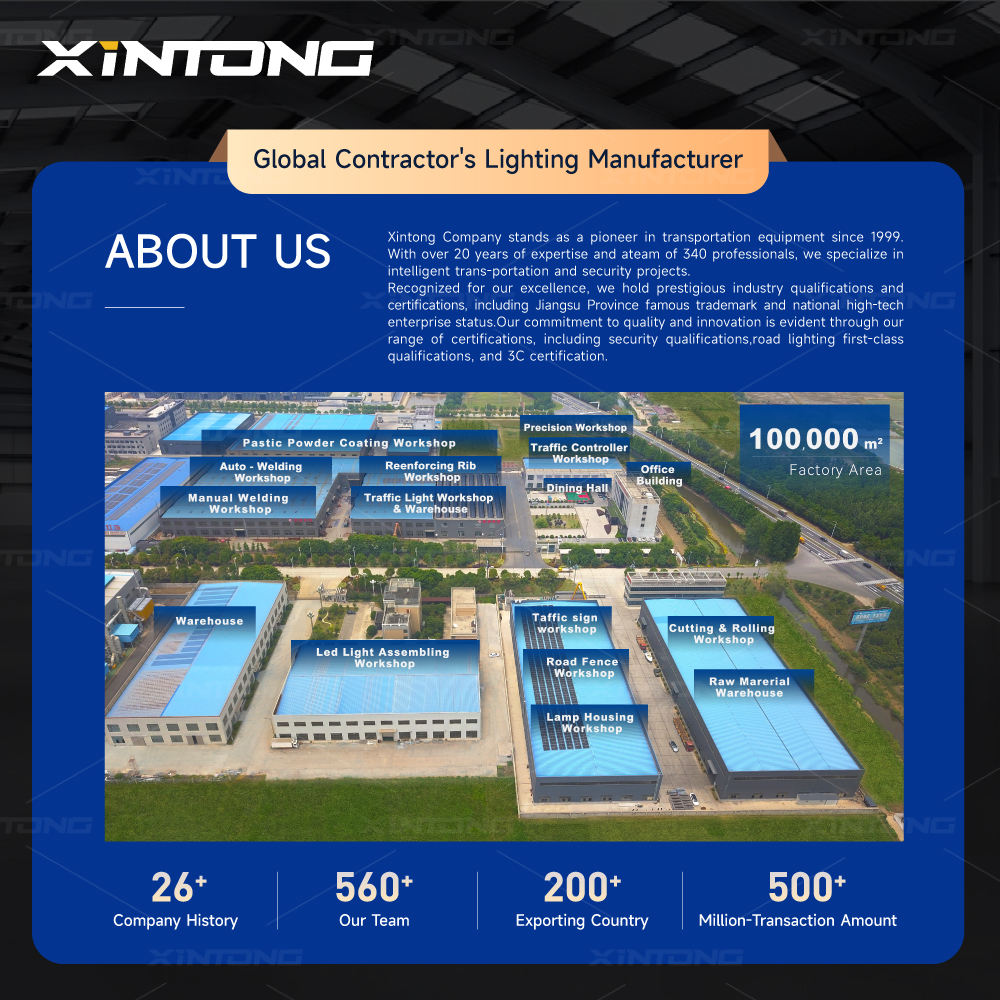
Many engineering teams misunderstand alloy pipeline selection, believing that all high-alloy products have identical performance and durability. In fact, material ratio, smelting process, wall thickness uniformity, dimensional tolerance accuracy, and internal microstructure all directly determine actual service performance. Irregular small-batch processing products often have uneven internal stress, poor weldability, and unstable corrosion resistance, which bring greater safety risks to long-distance transmission pipelines and key process pipelines. Xintong Group adopts standardized integrated production processes, from raw material smelting, precision rolling, heat treatment to non-destructive testing, each link follows strict industrial standards to ensure consistent and reliable product performance.
Hidden dangers behind frequent pipeline maintenance are often ignored by most users. Pipeline deformation, wall thinning, interface loosening, and internal scaling do not happen overnight. They are closely related to material low-temperature brittleness, poor high-temperature creep resistance, and insufficient anti-intergranular corrosion ability. Ordinary pipelines need frequent inspection, welding repair, and partial replacement every few months, which not only occupies manpower and material resources but also interrupts continuous production schedules. Custom alloy pipes with optimized alloy elements significantly resist creep deformation, oxidation peeling, and medium penetration, greatly reducing maintenance frequency and downtime loss.
Working condition matching is the most critical factor to avoid premature pipeline failure. Different industries such as petrochemical engineering, thermal power generation, boiler heating, chemical conveying, and marine engineering have completely different temperature, pressure, and medium characteristics. Blindly selecting universal pipelines will cause premature aging and damage. Reasonable customized alloy component ratios can match special complex working conditions, resist complex composite corrosion, withstand frequent pressure fluctuations, and maintain stable structural strength under alternating cold and hot environments, truly achieving safe and efficient long-term operation of the entire pipeline system.
Performance Comparison Between Custom Alloy Pipe & Ordinary Seamless Steel Pipe
| Performance Indicator | Custom High-Precision Alloy Pipe | Ordinary Carbon Steel Pipe | Ordinary Stainless Steel Pipe |
|---|---|---|---|
| Maximum Applicable Temperature | Up to 650℃+ | Below 350℃ | Below 550℃ |
| High Pressure Resistance | Ultra-high pressure bearing, stable stress resistance | Limited pressure bearing, easy deformation | Medium pressure bearing, easy cracking under long-term high pressure |
| Corrosion Resistance | Excellent acid, alkali, salt and oxidation corrosion resistance | Poor corrosion resistance, easy rust and thinning | General corrosion resistance, poor resistance to strong corrosive media |
| High Temperature Creep Resistance | Extremely low creep deformation, long-term stable structure | Obvious creep deformation, easy pipe expansion rupture | Moderate creep, deformation occurs under continuous high temperature |
| Service Life | 15–30 years stable service | 3–8 years easy aging damage | 8–15 years partial performance attenuation |
| Weldability & Processing Performance | Good overall performance, firm welding, no cracking | Easy welding, poor structural durability | Welding easy to produce intergranular corrosion |
Long-term practical application experience proves that one-time investment in high-quality customized alloy pipelines can save far more comprehensive costs than low-price ordinary pipes. Although the initial procurement cost of conventional steel pipes is lower, frequent maintenance, accidental shutdown losses, pipeline replacement costs, and safety accident compensation accumulate huge hidden expenses year by year. High-density alloy pipelines have low failure rate, low maintenance demand, and stable transmission efficiency, forming obvious cost advantages in the whole life cycle of engineering projects.
In actual industrial construction, pipeline interface matching, dimensional accuracy, and surface finish also affect system sealing performance. Unqualified dimensional deviation will lead to loose flange connections, media leakage, and increased friction loss during fluid transmission. Precision customized alloy pipes adopt strict dimensional tolerance control, smooth inner wall, small fluid resistance, improved medium transmission efficiency, and effectively reduce energy consumption loss during operation.
Harsh low-temperature environments also bring huge challenges to pipeline operation. Ordinary steel pipes are prone to cold brittleness and sudden fracture at low temperatures. Special alloy formula improves low-temperature impact toughness, ensuring pipelines operate safely and stably in cold outdoor, low-temperature refrigeration, and cryogenic transmission projects. Combined with anti-oxidation, anti-scaling, and anti-stress corrosion characteristics, it fully adapts to complex and changeable extreme industrial working conditions.
To sum up, selecting professional customized alloy pipelines is not a simple material replacement, but a systematic optimization of industrial pipeline safety, durability and economy. By solving deep-seated problems such as material aging, environmental corrosion, stress damage and frequent failures, enterprises can build more reliable long-operation pipeline systems, reduce comprehensive operation risks, and continuously improve overall production operation benefits. Choosing standardized, high-precision and customized special alloy pipeline products is the most cost-effective long-term scheme for industrial pipeline engineering.